
.jpeg)
Best Heart Hospital in Jaipur Why High Blood Pressure Is Called the Silent Killer
High blood pressure, also known as hypertension, is often called the “silent killer” because it can gradually damage the body without causing noticeable symptoms. Much like termites silently weakening wood from the inside, uncontrolled blood pressure can harm blood vessels and vital organs over time. A person may feel perfectly healthy while their blood pressure remains dangerously high.
Many people only discover that they have hypertension during a routine health checkup or after developing a related health problem. This is why regular blood pressure monitoring, timely medical advice and healthy lifestyle habits are essential for long-term health.
Understanding the risks of hypertension is an important step towards protecting your heart. If you are looking for reliable cardiac guidance, learning about blood pressure management can also help you understand when to consult a healthcare professional at the Best Heart Hospital in Jaipur.
What Is High Blood Pressure?
Blood pressure is the force that blood exerts on the inside of your arteries as it moves through them. Each time your heart beats, it sends blood through these arteries to carry oxygen and nutrients to all parts of your body.
A blood pressure measurement has two numbers. The first, known as systolic pressure, measures the pressure in your arteries when your heart beats. The second, known as diastolic pressure, measures the pressure when your heart rests between beats.
If your blood pressure stays higher than the recommended range for a long time, it could be a sign of hypertension. The exact numbers used to diagnose high blood pressure may vary depending on the guidelines. Consulting a doctor can help you understand your readings and determine the right approach to care. If you are looking for the Best Heart Hospital in Jaipur, regular blood pressure monitoring and timely medical guidance are important steps towards protecting your heart health.
When blood pressure remains high, your heart has to work harder to pump blood throughout your body. Over time, this extra strain can damage artery walls and increase the risk of heart disease, stroke, and kidney problems.
Why Is High Blood Pressure Called the Silent Killer?
The concerning feature of high blood pressure is that it often comes on without obvious warning signs. Unlike an injury that causes pain, high blood pressure can keep affecting the body while a person goes about everyday activities.
Someone with blood pressure may go to work, exercise or finish household tasks without feeling unwell. However the lack of symptoms does not mean that high blood pressure is under control.
Over time high blood pressure can make arteries less flexible, add to plaque‑related narrowing and increase the workload on the heart. These changes can raise the risk of health complications.
This is why relying on how you feel is not a way to assess high blood pressure. Regular measurement is the practical way to spot high blood pressure early and talk about proper care.
How Can High Blood Pressure Damage Your Body?
Uncontrolled hypertension can affect several organs. The extent of damage depends on factors such as how high the blood pressure is, how long it remains elevated and whether other health conditions are present.
1. Effects on the Heart.
I have learned that the heart must work harder when the heart pumps blood against pressure. Over time this extra work can make the heart muscle thicker and less efficient.
I have also seen that high blood pressure causes damage, inside the arteries that carry blood to the heart. This can raise the risk of artery disease, chest pain, heart attack and heart failure.
People with hypertension should discuss their cardiovascular risk with a qualified doctor, particularly if they also have diabetes, high cholesterol, obesity or a family history of heart disease.
2. Effects on the Brain
High blood pressure can damage blood vessels that supply the brain. It increases the risk of stroke by contributing to blocked or ruptured blood vessels.
Long-term hypertension is also associated with changes in blood vessels that may affect memory and cognitive function.
Sudden weakness on one side of the body, difficulty speaking, confusion or a sudden change in vision requires urgent medical attention. These symptoms should never be ignored.
3. Effects on the Kidneys
The kidneys have blood vessels that help remove waste and extra water from the blood. Term high blood pressure can hurt these vessels and make the kidneys not work as well as they should.
Kidney disease can also make it harder to manage blood pressure. This leads to a cycle where each problem can make the other worse.
People with hypertension may need kidney function tests as part of their medical assessment, depending on their individual risk factors and clinical history.
4. Effects on the Eyes
The eyes contain delicate blood vessels that can be affected by prolonged hypertension. Damage to these vessels, known as hypertensive retinopathy, can affect vision.
Regular medical monitoring is especially important for people who have both high blood pressure and diabetes, as these conditions can increase the risk of eye-related complications.
5. Effects on Blood Vessels
Healthy arteries are soft. Allow blood to flow easily. When pressure stays high for a time it can hurt the inside of the arteries and cause them to get stiff and have other problems. These changes can stop blood from moving all over the body and make it more likely to have heart and blood vessel issues.
The important message is that hypertension can affect much more than the heart. Controlling it helps protect several vital organs.
High BP Symptoms: What Should You Know?
Many people search online for High BP Symptoms to understand whether a headache, dizziness, or tiredness means their blood pressure is high.
However, high blood pressure usually does not cause noticeable or reliable symptoms. Some people may experience headaches, blurred vision, chest discomfort, or breathlessness, but these symptoms can also result from other health conditions. Similarly, a person who feels completely healthy may still have high blood pressure.
The safest approach is to measure your blood pressure rather than trying to diagnose it based on how you feel. If your readings remain elevated, consult a healthcare professional for proper evaluation. If you are looking for a Heart Hospital in Jaipur, choose a facility that can provide appropriate cardiac assessment and personalised medical guidance.
Seek emergency medical help if you experience chest pain, severe breathing difficulty, sudden weakness, trouble speaking, or sudden vision changes. These symptoms may indicate a medical emergency, regardless of your blood pressure reading.
Common Risk Factors for High Blood Pressure
Several factors can increase the likelihood of developing hypertension. Some cannot be changed, but many can be managed through lifestyle adjustments and appropriate medical care.
High Salt Intake
I have noticed that eating a lot of salt can raise blood pressure especially for people who are salt-sensitive. Packaged snacks, pickles, papad, processed foods and restaurant meals can hold a lot of salt.
I try to cut down on salt and pick minimally processed foods. This helps keep blood pressure under control.
Physical Inactivity and Excess Weight
A sedentary lifestyle can contribute to weight gain and increase cardiovascular risk. Excess body weight may also increase the strain placed on the heart and blood vessels.
Regular physical activity and gradual, sustainable weight management can help improve overall heart health.
Smoking and Alcohol Consumption
Smoking damages blood vessels and increases cardiovascular risk. Excessive alcohol consumption can also contribute to high blood pressure.
Avoiding tobacco and limiting or avoiding alcohol are important steps towards protecting your heart.
Stress and Poor Sleep
Ongoing stress and not getting sleep can make it harder to control blood pressure. Stress might also lead to habits like eating much or moving less. A regular sleep schedule, relaxation methods and staying active on a basis can help support overall health and well-being.
Age, Family History and Other Conditions
The risk of hypertension generally increases with age. A family history of high blood pressure may also increase susceptibility.
Diabetes, kidney disease and certain medications can influence blood pressure as well. Even people who maintain a healthy lifestyle may develop hypertension, so regular monitoring remains important.
Practical Ways to Prevent and Manage High Blood Pressure
Healthy daily habits can help prevent hypertension and support treatment. However, lifestyle changes do not replace prescribed medication when medication is necessary.
Eat a Balanced, Heart-Healthy Diet
Include vegetables, fruits, whole grains, pulses and other nutritious foods in your regular meals. Reduce excessive salt and limit foods high in saturated fat.
The World Health Organization recommends that adults consume less than 2,000 mg of sodium per day, equivalent to less than 5 grams of salt from all sources. Your individual dietary needs may differ if you have certain medical conditions, so seek professional advice where appropriate.
Stay Physically Active
Aim for activities that are not too hard like walking quickly, riding a bike or swimming based on what you can do and what is safe for your health. Many adults get results by doing something that gets their heart pumping for at least 150 minutes each week.
If you already have heart disease, blood pressure that is not under control or other serious health problems, talk to your doctor about what kind of activity is right for you, before starting any tough exercise plan.
Monitor Your Blood Pressure Regularly
Blood pressure checks can help identify hypertension before complications develop. Your doctor may recommend checking blood pressure at home and keeping a record of blood pressure readings.
For consistent home measurements sit quietly for a few minutes, keep your back supported and feet flat, on the floor and rest your arm at heart level. Use a fitting cuff and follow the monitor's instructions.
A single elevated blood pressure reading does not always confirm hypertension. Repeated blood pressure measurements and professional assessment provide a picture.
Take Medication as Prescribed
Some people can improve their blood pressure significantly through lifestyle changes, while others need medication as well. The appropriate treatment depends on their readings, medical history and overall risk.
Do not stop, change or share blood pressure medication without consulting your healthcare professional, even if you feel well or your readings improve.
Prioritise Sleep and Avoid Tobacco
Maintain a regular sleep schedule and discuss persistent sleep problems with your doctor. Avoid smoking and other tobacco products, and seek help if you need support with quitting.Small, consistent changes can make blood pressure management easier over the long term.
When Should You Consult a Cardiologist?
If your blood pressure readings remain elevated, consider consulting a doctor, especially if you have a family history of heart or blood vessel disease, diabetes, or kidney disease. Early evaluation can help identify potential risks and support timely treatment.
During your consultation, the doctor may review your blood pressure records, medical history, daily habits, and current medications. Depending on your condition, additional tests may be recommended to assess your heart and other organs. If you are looking for the Best Cardiology Hospital in Rajasthan, choose a healthcare facility that can provide appropriate cardiac evaluation and personalised medical guidance.
If your blood pressure reading is 180/120 mmHg or higher, wait at least one minute and measure it again. If it remains that high, contact a healthcare professional immediately. If you also experience chest pain, difficulty breathing, weakness, numbness, vision changes, or difficulty speaking, seek emergency medical care immediately.
Never take extra blood pressure medication to lower a high reading unless your doctor specifically instructs you to do so, as this can be dangerous.
Blood Pressure Care at Amritam Heart Care, Jaipur
Managing high blood pressure involves more than checking a number on a monitor. It requires understanding individual risk factors, following appropriate medical advice and monitoring progress over time.
Amritam Heart Care, Jaipur, provides cardiac consultation and heart-related evaluation. People concerned about hypertension can seek professional guidance about blood pressure assessment, cardiovascular risk and suitable next steps.
If you are searching for the Best Cardiologist in Jaipur or a Heart Specialist in Jaipur, choose a qualified medical professional who can assess your individual needs and recommend an appropriate care plan.
A Heart Health Checkup in Jaipur may be useful when recommended by your doctor, especially if you have hypertension, diabetes, high cholesterol or a family history of heart disease. The need for particular tests depends on your symptoms, medical history and clinical assessment.
Conclusion: Protect Your Heart by Taking High Blood Pressure Seriously
High blood pressure may remain unnoticed for years, but its effects on the heart, brain, kidneys, eyes and blood vessels can be serious. Like termites slowly damaging wood, uncontrolled hypertension can cause harm before you recognise that anything is wrong.
The good news is that regular monitoring, healthy lifestyle habits and appropriate treatment can help control blood pressure and reduce the risk of complications.
If you have elevated readings or concerns about your heart health, seek professional medical guidance instead of waiting for symptoms to appear. For people seeking cardiac consultation in Jaipur, Amritam Heart Care can be a starting point for discussing their concerns and understanding suitable next steps.
Frequently Asked Questions About High Blood Pressure
1. Why is high blood pressure called the silent killer?
High blood pressure is called the silent killer because it often causes no obvious symptoms while gradually damaging blood vessels and increasing the risk of heart disease, stroke and kidney problems.
2. What are the common High BP Symptoms?
Most people with hypertension have no noticeable symptoms. Severe hypertension may sometimes cause headaches, vision changes or other symptoms, but blood pressure measurement is necessary to identify the condition reliably.
3. Can high blood pressure be controlled naturally?
Healthy eating, reduced salt intake, regular physical activity, weight management, adequate sleep and avoiding tobacco can help lower blood pressure. Some people also require prescribed medication, so lifestyle changes should not replace medical advice.
4. How often should I check my blood pressure?
The recommended frequency depends on your age, previous readings, risk factors and medical history. Your healthcare professional can advise whether you need checks at routine appointments or regular home monitoring.
5. Can high blood pressure cause a heart attack?
Yes. Uncontrolled hypertension increases the risk of coronary artery disease and heart attack by contributing to damage in the arteries that supply the heart.
6. When is high blood pressure an emergency?
A reading above 180/120 mmHg that remains elevated after a repeat measurement requires immediate professional guidance. If it occurs with chest pain, breathing difficulty, weakness, vision changes or difficulty speaking, seek emergency medical care immediately.
7. Which doctor should I consult for high blood pressure?
A qualified physician or cardiologist can assess elevated blood pressure and recommend appropriate management. A cardiologist may be particularly helpful if you have cardiovascular disease, related symptoms or additional heart-related risk factors.
8. Can young adults develop high blood pressure?
Yes. Hypertension can affect young adults as well as older people. Family history, excess weight, diet, physical inactivity, kidney conditions and other factors can contribute, making blood pressure checks important when appropriate.
RECENT POSTS
-
Best Heart Hospital in Jaipur Why High Blood Pressure Is Called the Silent Killer
-
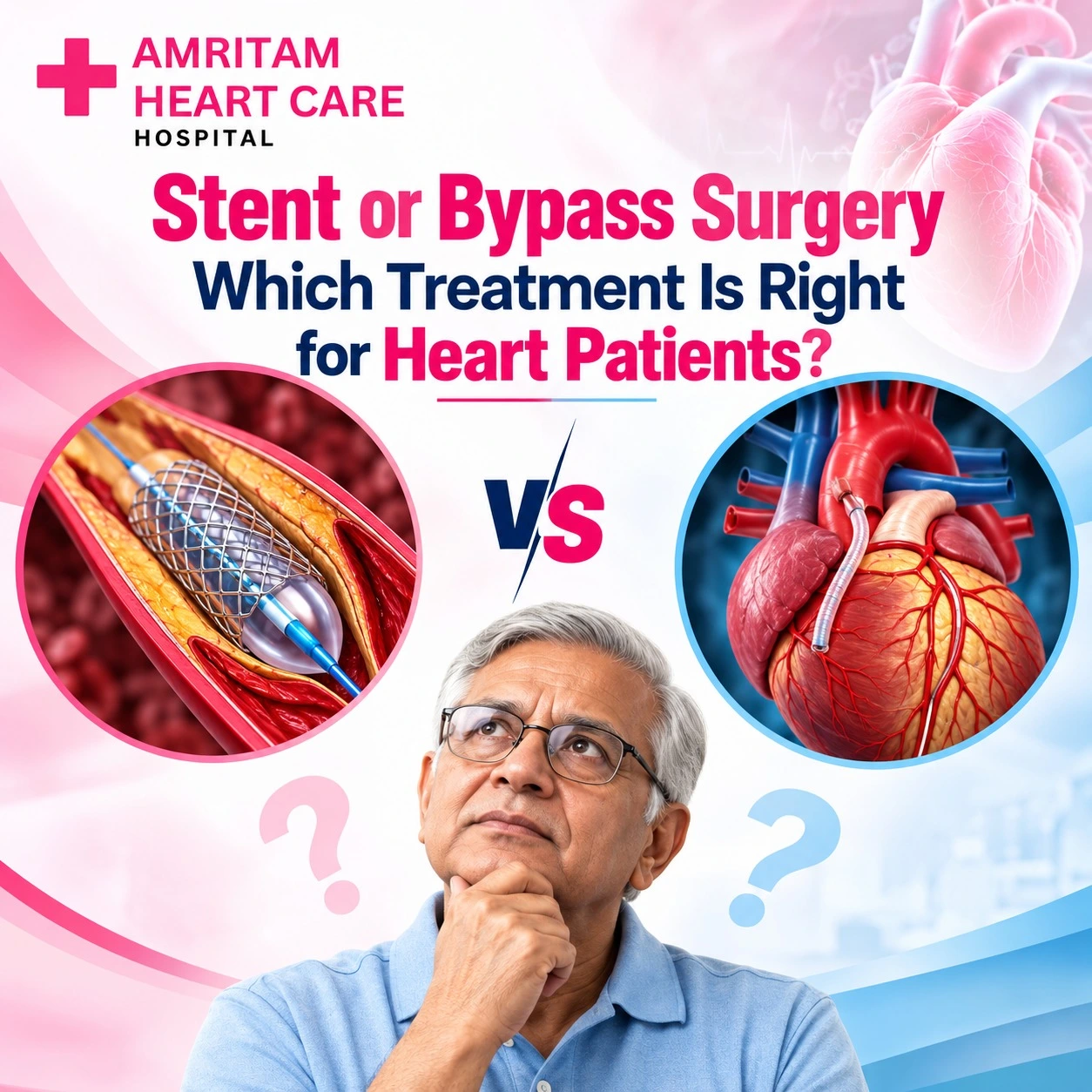 Stent or Bypass Surgery Which Treatment Is Right for Heart Patients?
-
 Best Cardiology Hospital in Jaipur for Angioplasty, Heart Surgery & Cardiac Care
-
.jpeg) Best Heart Hospital in Jaipur for Heart Surgery and Advanced Cardiology Care
-
 List of Heart Hospitals in Jaipur under Chiranjeevi and Maa Yojana
-
 List of the Best Heart Specialist Hospitals in Jaipur
-
 What Makes Amritam Heart Care the Best Heart Hospital in Rajasthan?
-
 Why is Amritam Heart Care the Best heart hospital in Jaipur?
-
 Meet the Top Heart Surgeons in Rajasthan at Amritam Heart Care Hospital
-
 What Makes Amritam Heart Care Stand Out as a Cardiac Surgery Hospital in Jaipur
-
.png) Your Guide to the Best Heart Hospital in Rajasthan